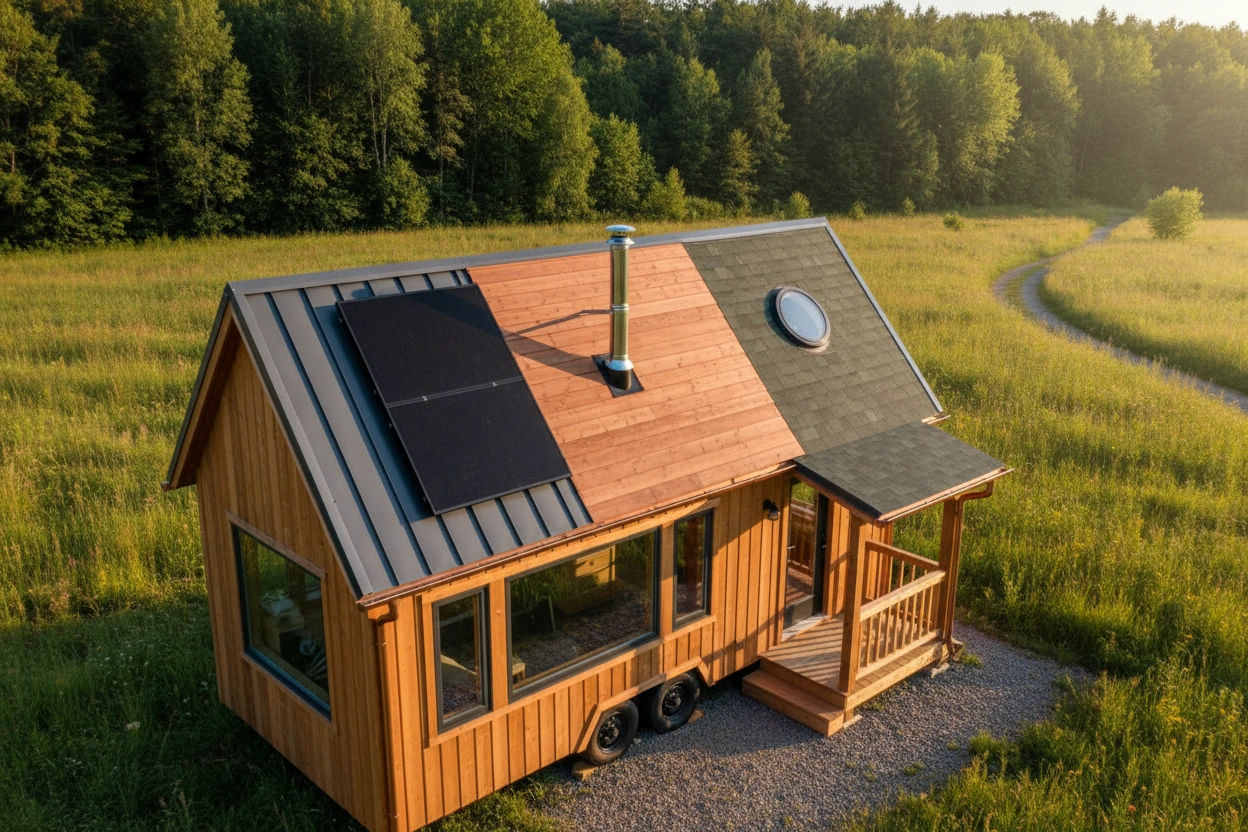
Best Roofing Materials for Tiny Houses: The trend of tiny house living continues to gain traction as more individuals and couples seek affordable, minimalist lifestyles. As you consider the many aspects of tiny home design, one critical component is the roofing. The right roofing material not only protects your investment but also contributes to energy efficiency and aesthetic appeal. Understanding the various types of tiny house roofing can help you make informed decisions tailored to your specific needs.
In this article, we will explore the best roofing materials for tiny houses, offering insights into different types, installation tips, and maintenance considerations. We will also touch on how climate impacts your roofing choices, ensuring that your tiny home remains a safe and comfortable sanctuary.
Understanding Tiny House Roof Types
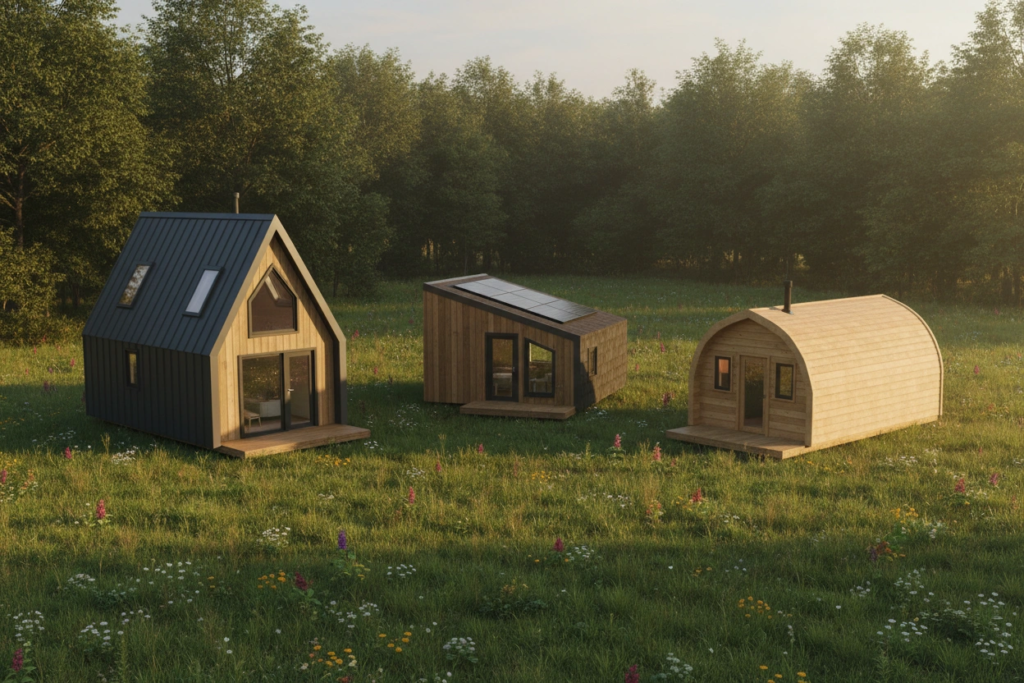
When it comes to tiny house roofing, there are several options to choose from, each with its own benefits and drawbacks. Here are some common types of roofing materials you might consider:
Metal Roofing
Metal roofing has become a popular choice for tiny houses due to its durability and longevity. Here are key features:
- Longevity: Metal roofs can last for 50 years or more, making them a cost-effective option over time.
- Energy Efficiency: Reflective coatings can help reduce heat absorption, keeping your tiny home cooler in the summer.
- Lightweight: Metal roofs are lighter than many other materials, which is an important consideration for tiny homes.
Asphalt Shingles
Asphalt shingles are one of the most widely used roofing materials due to their affordability and ease of installation. Key points include:
- Cost-Effective: They are one of the most affordable roofing options available, making them suitable for budget-conscious builders.
- Variety: Available in various colors and styles, asphalt shingles can enhance the aesthetic appeal of your tiny home.
- Moderate Lifespan: While they typically last around 20-30 years, they may require more frequent replacements compared to metal roofing.
Green Roofs
For those looking to embrace eco-friendly practices, green roofs offer a sustainable alternative. This type of roofing involves planting vegetation on the roof surface. Benefits include:
- Insulation: Green roofs provide excellent insulation, reducing heating and cooling costs.
- Stormwater Management: They help absorb rainwater, reducing runoff and improving water quality.
- Biodiversity: Green roofs can support local flora and fauna, contributing to environmental health.
Affordable Tiny House Roofing Options
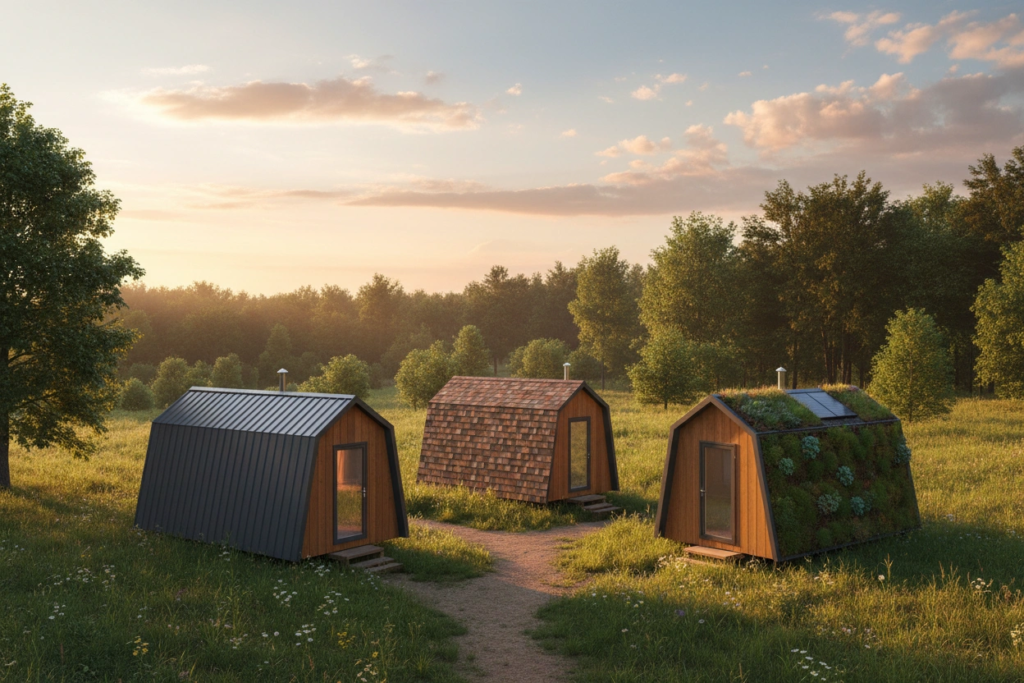
Budget constraints are a common concern for many tiny house builders. Fortunately, there are several affordable roofing materials to consider that do not compromise quality or performance.
Corrugated Plastic Roofing
Corrugated plastic sheets are an excellent low-cost roofing option. Here’s why:
- Lightweight and Easy to Install: These sheets can be easily cut and shaped to fit your tiny home.
- UV Resistance: They offer good protection against UV rays, prolonging the life of your roof.
- Translucency: Some plastic roofing options allow natural light to filter through, reducing the need for additional lighting during the day.
Recycled Roofing Materials
Using recycled materials not only saves money but also contributes to sustainability. Consider these options:
- Reclaimed Wood Shingles: Beautiful and unique, reclaimed wood adds character to your tiny house while being eco-friendly.
- Recycled Rubber Roofing: Made from used tires, this material is durable and can mimic the appearance of traditional roofing.
Tiny House Roof Installation Tips
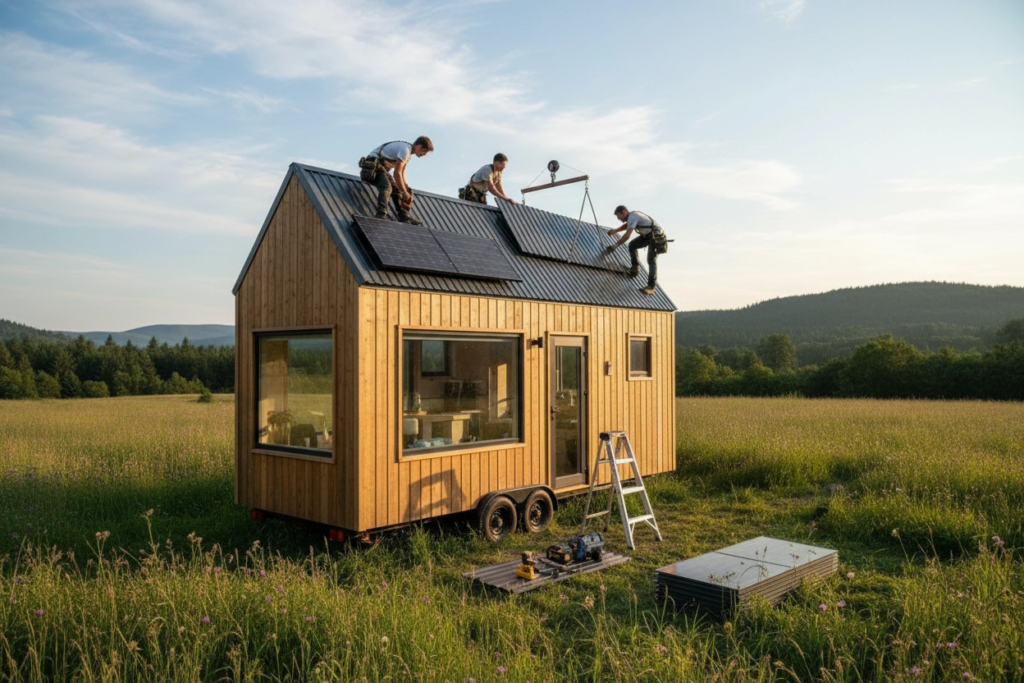
Installing a roof on a tiny house can be a manageable project with the right approach. Here are some essential tips to consider during the installation process:
Preparation
Before beginning the installation, ensure that you have all necessary materials and tools ready. This includes:
- Measuring your roof accurately to determine material needs.
- Gathering tools such as a saw, hammer, nails, and safety equipment.
- Reviewing local building codes and regulations to ensure compliance.
Installation Steps
Follow these basic steps to ensure a successful installation:
- Frame the Roof: Construct a solid frame that can support the chosen roofing material.
- Install Underlayment: Lay down a waterproof membrane to protect against leaks.
- Attach the Roofing Material: Secure the roofing material according to manufacturer instructions, paying attention to overlaps and seams.
Safety Considerations
Always prioritize safety during installation:
- Use appropriate safety gear, including gloves and a hard hat.
- Ensure ladders and scaffolding are secure.
- If working on a steep pitch, consider hiring a professional.
Eco-Friendly Roofing Options for Tiny Homes
As sustainability becomes increasingly important, many tiny house builders are opting for eco-friendly roofing solutions. Here are some options to consider:
Solar Roofs
Integrating solar panels into your roofing system can provide renewable energy for your tiny home. Key benefits include:
- Energy Independence: Solar roofs can significantly reduce or eliminate electricity bills.
- Environmentally Friendly: Using solar energy reduces reliance on fossil fuels, contributing to a lower carbon footprint.
Cool Roofing
Cool roofing materials reflect more sunlight and absorb less heat than standard roofs, offering advantages like:
- Energy Savings: By reducing the heat absorbed, cool roofs can lower cooling costs during hot months.
- Comfort: Improved indoor temperatures can enhance comfort levels in your tiny home.
Tiny House Roof Maintenance
Maintaining your tiny house roof is essential for longevity and performance. Here are some key maintenance tasks to consider:
Regular Inspections
Conducting regular inspections can help identify issues before they escalate. Focus on:
- Checking for loose or damaged shingles or panels.
- Inspecting gutters and downspouts for debris.
- Monitoring for signs of leaks or water damage.
Cleaning
Keeping your roof clean can prevent the growth of mold and algae, which can damage roofing materials. Recommended cleaning practices include:
- Removing debris such as leaves and branches.
- Using a soft brush or blower to clean off dirt and grime.
- Avoiding harsh chemicals that can harm roofing materials.
The Impact of Climate on Tiny House Roofing Choices
Your local climate plays a significant role in determining the best roofing materials for your tiny house. Here’s how different climates can influence your decisions:
Hot and Sunny Climates
In areas with high temperatures, consider roofing materials that reflect sunlight, such as metal or cool roofing. These options can help maintain a comfortable indoor temperature and reduce cooling costs.
Cold and Snowy Climates
For regions that experience heavy snowfall, durable materials like metal or slate are recommended. These materials can withstand the weight of snow and prevent leaks caused by ice dams.
Humid and Rainy Climates
In humid areas, opt for materials that resist mold and mildew, such as metal or treated wood. Ensure proper ventilation to prevent moisture buildup, which can lead to structural damage.
Understanding Tiny House Roofing Costs
The costs associated with tiny house roofing can vary based on several factors, including material choice, installation complexity, and location. Here are some key considerations:
Material Costs
- Metal Roofing: Typically ranges from $100 to $200 per square, depending on the quality and style.
- Asphalt Shingles: Generally costs between $90 to $150 per square, making them an affordable option.
- Green Roofs: Installation can be more expensive, often exceeding $300 per square due to the specialized labor and materials involved.
Installation Costs
Hiring professionals for installation can add to overall costs, generally ranging from $1 to $3 per square foot. However, DIY installation can save money if you have the necessary skills and tools.
The Benefits of Choosing the Right Roofing for Your Tiny Home
Selecting the right roofing material for your tiny house can have lasting effects on its performance, aesthetics, and value. Consider these benefits:
- Protection from the Elements: Quality roofing materials safeguard your tiny home against rain, snow, and wind, ensuring long-term durability.
- Energy Efficiency: Proper roofing can lead to significant energy savings through improved insulation and reduced heating and cooling costs.
- Increased Resale Value: A well-maintained roof can enhance the resale value of your tiny home, making it a worthwhile investment.
Making Informed Choices for Tiny House Roofing
Choosing the right roofing material for your tiny house is a significant decision that impacts not only the appearance of your home but also its functionality and longevity. By considering factors such as climate, budget, and environmental impact, you can select a roofing solution that meets your needs and preferences.
Final Thoughts on Tiny House Roofing
As you embark on your tiny house journey, understanding the intricacies of tiny house roofing will empower you to make informed decisions that align with your lifestyle and values. TinyHouse.com is here to assist you in every step of your tiny home adventure. Whether you need guidance on materials, installation tips, or maintenance advice, our resources can help you create a beautiful and functional tiny home.
Visit TinyHouse.com for more information and expert advice tailored to your tiny house needs.
Also read More Information: Residential Proxies for Web Scraping:: Trends, Uses, and Insights
About the Author