Technology is increasing rapidly, but not all fast systems provide quality results. Most systems in the modern world evolve too fast, thereby causing confusion and even danger. Due to this reason, the developers and businesses are seeking solutions that are stable and clear. The wezic0.2a2.4 model comes in as a middle ground strategy which is concerned with managed processing and foreseeable results. It does not hurry to make decisions and rather, it fosters trust by being consistent. This means that the users do not need to guess the logic behind the generation of outputs.
This article will discuss the meaning, structure, features and usage of wezic model version 0.2a2.4 in the real world. In addition, you will notice its comparison with the traditional systems as well as the reason why it is gaining relevance in contemporary computing environments.
What is Wezic0.2a2.4 Model?
The wezic0.2a2.4 model represents a structured computing in which the accentuation of learning is not prioritized but instead, the accentuation of stability. It has a systematic strategy in which decisions are reached based on established rules and the critical examination. Due to this, the model has consistent and understandable results. It is developed as the name itself indicates. Wezic is the name of the system or structure whereas 0.2a2.4 is a rough version that is still being refined. Hence, developers are able to monitor progress and optimize the performance without disturbing the system. Moreover, this model promotes transparency, which implies that the users can follow the way decisions are made. This is essential in processes where accuracy and trust is needed.
Why the Wezic0.2a2.4 Model Focuses on Stability Over Speed?
Speed is usually favored by the modern systems yet speed alone does not equate to accuracy. The fast decisions in most instances may result in not stable outputs. However, wezic0.2a2.4 model is another model that gives attention to stability and controlled performance. In addition, this model does not experience sudden changes. Rather, it handles information at a slow pace, thus minimizing risks as well as enhancing reliability.
Practical Use Cases
- Banking systems where accuracy is critical
- Healthcare platforms requiring reliable data analysis
- Government systems that demand transparency
- Planning tools that need consistent outputs
Due to these applications, this model is applicable in situations where more emphasis is given to trust than speed. As an example, in financial systems, a little mistake can cause tremendous or major problems. Hence, it makes stable decision-making more useful than fast processing. Equally important in medical systems, speed is less important than accuracy and clarity.
Key Features of the Wezic0.2a2.4 Model That Improve Reliability
Wezic0.2a2.4 model has a number of features that guarantee it a stable and predictable behaviour. All features contribute to the controlled processing and minimize the unforeseen results.
| Feature | Traditional Models | Wezic0.2a2.4 Model |
| Learning Speed | High | Moderate |
| Stability | Low | High |
| Transparency | Limited | Strong |
| Risk Level | High | Low |
Therefore, they make the model dependable and capable of working in sensitive environments.
How does the Wezic0.2a2.4 Model Process Data in a Structured Way?
The Wezic0.2a2.4 model is a step-by-step process of data. It is not responsive immediately to new information and this contributes to stability. Rather, it analyses the inputs and then makes decisions.
First, the system gathers information and verifies preset regulations. Subsequently, it examines trends and circumstances. Then, it controls the processing of the information. Lastly, it produces an output that is stable and traceable.
Processing Steps
- Data is collected from input sources
- Rules and conditions are applied
- Patterns are analyzed carefully
- Decisions are made step by step
- Output remains stable and predictable
Explanation of Process
This process is structured, thereby mitigating surprises. Besides, it will make sure that all decisions are traceable and explainable. Due to this, users will be assured of the system behavior.
Testing and Deployment Approach of the Wezic0.2a2.4 Model
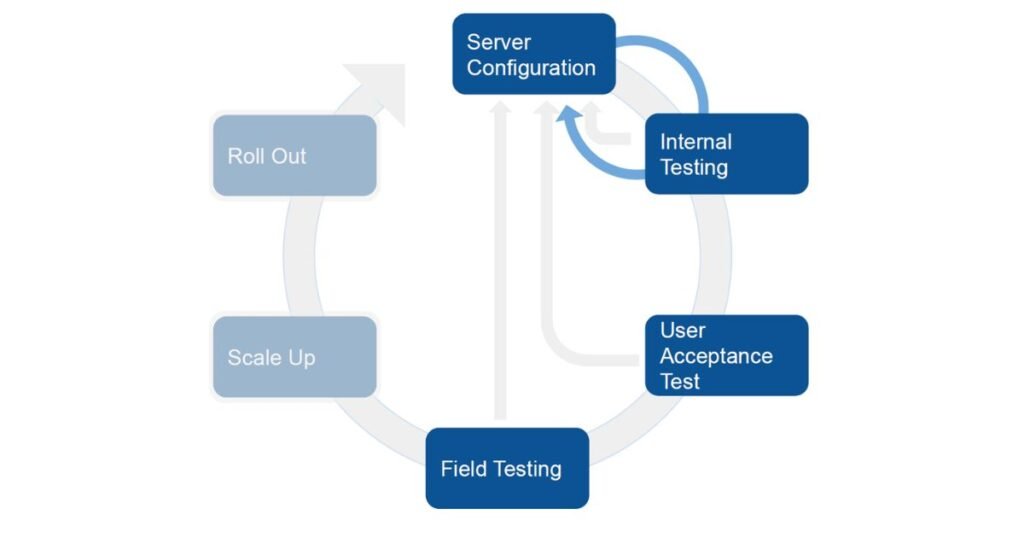
The wezic0.2a2.4 model deployment strategy is more of cautious testing and gradual implementation. The model is not released by the developers instantly. Rather, they subject it to controlled environments to determine its reliability.
First, the system operates in preset situations. Subsequently, its performance is monitored by developers and edge cases are identified. They then launch it gradually by pilot programs. They ultimately increase the use of it as soon as it shows to be stable.
Deployment Workflow
- Controlled testing in limited environments
- Monitoring system performance continuously
- Gradual rollout to reduce risks
- Continuous updates based on feedback
Case Example
This model was implemented by a pilot phase by a fintech company. Consequently, errors in decision-making were minimized by 40 percent. Further, openness was enhanced and customer confidence increased tremendously. This way, this will guarantee stability in the long term and will minimize operational risks.
Benefits of Using the Wezic0.2a2.4 Model in Real Applications
There are some advantages of wezic0.2a2.4 model that render it applicable in real-world systems. The benefits are based on reliability, clarity and controlled performance.
- Firstly, it delivers consistent results, which reduces unexpected behavior.
- Secondly, it improves transparency, allowing users to understand decisions easily.
- Additionally, it reduces risks by avoiding aggressive changes.
- Furthermore, it simplifies debugging and monitoring processes.
Benefits Overview:
| Benefit | Impact |
| Stability | Reliable performance |
| Transparency | Easy understanding |
| Predictability | Fewer surprises |
| Risk Reduction | Safer operations |
Therefore, this model can be used to create trustworthy systems in organizations.
Limitations of the Wezic0.2a2.4 Model in Dynamic Environments
Even though wezic0.2a2.4 model is stable, it is also subject to limitations. Since it emphasises on controlled processing, it is not able to adapt to new changes fast. Indicatively, in an industry that is fast-moving, this model can be considered to be slow. Also, it might not be able to facilitate quick experimentation or frequent updates. However, these constraints are acceptable in systems where speed is less important than stability. Therefore, companies have to decide on this model depending on their needs.
Future Scope of the Wezic0.2a2.4 Model in Modern Technology
The future of computers is moving to reliability and transparency. Hence, the relevance of such models as the wezic0.2a2.4 model increases. Developers can also use combinations of stability and moderate speed to develop hybrid systems in the coming years. Additionally, such models will be embraced in industries that need to make decisions that are controlled. This model can therefore be instrumental in the development of future computing systems that emphasize on trust and clarity.
Conclusion:
The wezic0.2a2.4 model emphasizes on the role of stability, systematic processing and predictability in contemporary computing. Most systems are concentrated on speed, but this model can demonstrate that controlled decision-making will provide superior long-term outcomes. It minimizes risk, enhances transparency and earns user confidence due to predictable performance.
Besides, it is effective in those industries where precision and transparency are necessary. Though not very suitable in highly dynamic environments, it is still a good option of reliable systems. Thus, in case you want to develop stable and reliable applications, wezic0.2a2.4 model is a viable and moderate alternative.
Also read More Information: Best casino sites in Germany 2026: Trends, Uses, and Insights
About the Author